
Key Takeaways
1. Most overhead door track problems start small and show up as friction-like rubbing, hesitation, shaking tracks, or a door drifting to one side.
2. The highest-risk signs are crooked travel and cable slack, such as when the door lifts unevenly or a cable looks loose.
3. Quality Overhead Door can get your door safely back on track. If you’re in Rochester or Southeast Minnesota, our technicians can diagnose the cause, realign tracks, and replace worn rollers/hardware.
Top 5 Overhead Door Track Problems and Their Common Signs
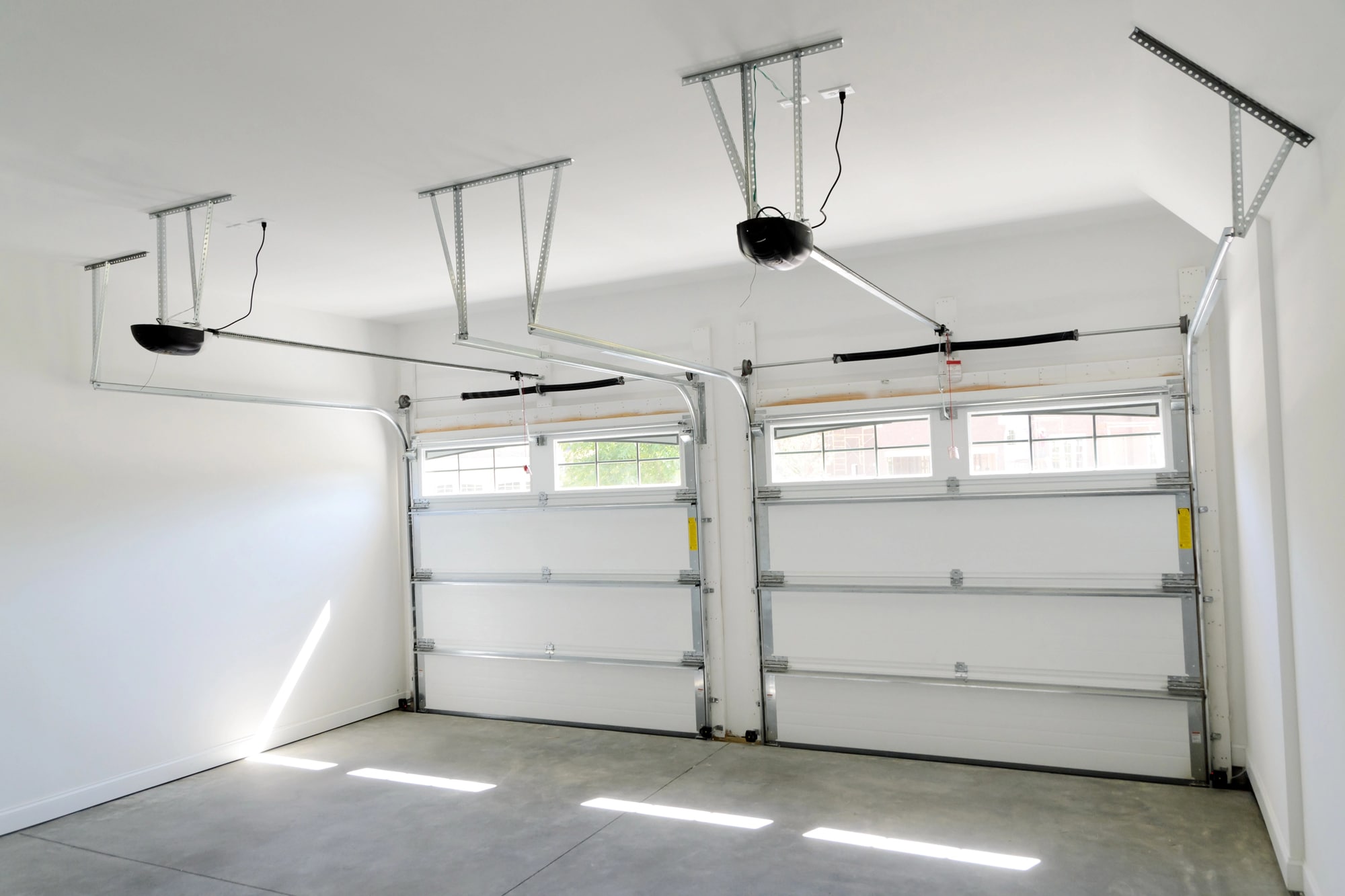
An overhead door track problem means the door’s guiding system is no longer keeping it moving smoothly and centered. Overhead doors don’t float up on their own. They ride on rollers inside metal tracks, and the springs and cables help balance the weight.
When any part of that guiding system shifts, loosens, or wears down, the door can start rubbing, binding, moving crookedly, or, in worst cases, popping a roller out of the track. The risk is not only damage to the door and opener, but also a door that becomes unstable under load, especially with heavier commercial doors.
Here are the top five overhead door track problems, what they look like in real life, and what they can lead to if ignored.
1. Track Misalignment
The vertical or horizontal tracks shift slightly so they’re no longer parallel, plumb, or properly spaced for the rollers. This can happen from gradual vibration, settling, or earlier repairs that left the track a little off.
Common signs:
- The door rubs on one side or sounds like it’s scraping
- It slows down or hesitates at the same point each cycle
- The gap between the track and the door looks different on the left vs. the right
- The door looks slightly “pulled” to one side as it travels
Misalignment forces the rollers to ride along the edge rather than the center of the track. That increases wear fast and can eventually push a roller out of the channel, especially when the door is under tension near the curve where the track turns overhead.
2. Loose Track Brackets or Fasteners
The bolts, lag screws, or brackets that hold the track to the wall or ceiling loosen over time. This is common in doors that cycle frequently, and it can also happen after a small impact that didn’t look serious at the time.
Common signs:
- Rattling during operation
- Track visibly shaking or flexing as the door moves
- New banging sounds near the mounting points
- A bracket that looks slightly pulled away from the wall/ceiling
Once the track can move, it tends to drift out of alignment under the door’s weight. That can create binding, cause the door to run rough, and set up the perfect conditions for a roller to climb the track edge and derail.
3. Bent or Damaged Track
A dent, kink, or bend in the track from impact, most commonly a vehicle bump in a residential garage or equipment contact in commercial settings (carts, pallets, forklifts). Even a small bend can change how the roller sits in the channel.
Common signs:
- The door stops or jerks at the same point every time
- Rollers click, jump, or hesitate at one section of the track
- You can see a crease, dent, or pinch in the track
- The door looks fine until it reaches the damaged section, then it binds
A damaged track creates a physical obstacle. Rollers can’t travel smoothly through it, so they start riding up the side or getting forced outward. That can pop a roller out of the track, twist the door sections, and turn a small repair into track replacement plus panel or hinge work.
4. Worn, Seized, or Damaged Rollers and Hinges
Rollers wear down, flatten, crack, or stop spinning freely. Hinges can loosen, deform, or develop play that lets the roller wobble. This is one of the most common slow-burning causes of track problems because it starts as noise and rough movement before it becomes mis-tracking.
Common signs:
- Grinding, squealing, or a dry rolling sound
- Jerky movement, especially near the curve of the track
- Rollers wobbling instead of rolling straight
- Black dust near the tracks (often from friction and wear)
- The door feels rough, even when the opener is working normally
Rollers that don’t roll cleanly are more likely to drift toward the edge of the track. Once they start riding the edge, they can climb it, especially when the door is under stress or slightly out of balance. Worn hinges can also shift the roller position enough to create repeated mis-tracking.
5. Cable or Spring Imbalance That Skews the Door
The door is no longer evenly balanced left-to-right. Uneven cable tension, a frayed cable, or spring imbalance can pull harder on one side, causing the door to lift crookedly. This is a high-risk situation because it may involve critical load-bearing components.
Common signs:
- The door hangs crooked or looks tilted
- One side lifts first, or one side lags behind
- Cables look slack on one side or uneven on the drums
- A loud snap/clang followed by a door that won’t move normally
A crooked door puts sideways pressure on the tracks and rollers. That stress can force rollers out of the track and, in severe cases, cause a door to drop or jam unexpectedly. This is one of the clearest cases where you should stop using the opener and get it inspected.
Maintenance Techniques That Reduce Door Track Problems
Track issues rarely start with the door suddenly falling off. Most begin as small alignment changes, loosened hardware, or rollers that stop moving smoothly. A simple maintenance rhythm, such as monthly checks, proper lubrication, and an annual tune-up, prevents many of the problems that eventually lead to an off-track door.
Monthly Visual Checks
A monthly walk-around is less about finding a major failure and more about catching early warning signs before the door starts binding.
What to look for
- Track brackets and fasteners. Loose bolts, bracket movement, or a track that looks slightly shifted.
- Rollers and hinges. Wobbling rollers, cracked roller wheels, hinge play, or uneven roller spacing.
- Cable condition. Fraying, rust, slack, or cables that look uneven side-to-side.
- Debris in the tracks and door path. Buildup near the track curve, small stones/sand, or anything that can obstruct roller travel.
- Door travel. Door drifting to one side, rubbing, or new noises that weren’t there last month.
Quick rule. If you see a roller riding the edge of the track, a slack cable, or a door traveling crooked, stop using the opener and get it checked.
Lubrication and Cleaning
Lubrication is one of the most misunderstood parts of garage door maintenance. The goal is smooth movement at the joints and bearings.
What gets lubricated
- Roller bearings (if you have steel rollers with bearings)
- Hinges at pivot points
- Springs (light coat to reduce corrosion and noise, where appropriate)
- Bearing plates and other rotating points
Best practice
- Use a small amount of the right lubricant on moving joints, then wipe excess so it doesn’t drip onto tracks or collect dirt.
- If the door still sounds rough after lubrication, that’s often a sign of roller wear or alignment issues.
Annual Professional Tune-Up
An annual tune-up is where you catch the issues that homeowners and facility teams can’t safely or accurately test, especially balance, torque, and wear under load.
What a technician typically checks
- Balance test. Confirms springs are properly counterbalancing the door so the opener isn’t dragging a heavy load.
- Fastener torque and bracket stability. Ensures tracks and supports are secure and aligned.
- Roller wear and track alignment. Identifies rollers that are starting to seize or wobble and tracks that are drifting.
- Opener settings. Force and travel limits prevent the opener from pushing the door when it binds.
- Safety reversal and photo-eye function. Confirms safety systems are working correctly.
| Maintenance task | Frequency | Who should do it |
|---|---|---|
| Visual check (tracks, rollers, hinges, cables) | Monthly | Homeowner/facility staff |
| Clean tracks and door path | Monthly | Homeowner/facility staff |
| Hardware inspection + balance test | Annual | Technician |
Get Your Door Safely Back on Track With Quality Overhead Door
An overhead door that’s starting to rub, bind, or travel unevenly is often an early warning sign that something in the track system is shifting, loosening, or wearing out.
Catching overhead door track problems early helps prevent bigger damage to rollers, panels, cables, and the opener, and keeps the door operating safely for people, vehicles, and equipment.
Next steps to take:
- Stop forcing the door and do a quick visual check. Look for a roller riding the edge, a bent track, loose brackets, or slack/frayed cables.
- Document what you see before you reset anything. Take a few photos, note where the door sticks, and whether the issue started after an impact or a new noise.
- Call Quality Overhead Door for a safe inspection and repair. Our technicians serve Rochester, MN, and the surrounding area in Southeast Minnesota, with the experience to realign tracks, replace worn hardware, and restore smooth operation.
Submit a Service Request or Request a Quote, or call (507) 281-2772 to schedule help from Quality Overhead Door.