
Key Takeaways
1. Regular garage door maintenance, like lubrication, weather stripping checks, and cleaning, ensures your door works for longer.
2. Unusual noises, uneven movement, or frayed cables should prompt you to reach out to a technician to get them fixed quickly.
3. At Quality Overhead Door, our inspection services prevent major breakdowns, our repairs fix issues fast, and we’re available 24/7 when emergencies strike.
Why Does Your Garage Door Need Professional Maintenance?
Your garage door needs professional maintenance because self-maintenance is risky. Garage doors cause around 30,000 injuries every year, some of them even fatal.
People with no experience fixing a garage door appear to be most at risk. In a study, every single patient suffered vision loss after a spring flew loose while they were trying to fix their doors.
This means some upkeep is safe for homeowners. But handling powerful, high-tension components without the right tools or training can mean disaster in seconds. Certain repairs should always be left to qualified professionals.
11 Signs Your Garage Door Needs Professional Maintenance
Here are the signs that tell you your garage door needs the touch of a professional:
1. Unusual Noises (Squeaking, Grinding, or Banging)
Garage doors should move with a low hum, not constant squeaks and clanks. Persistent noise is usually your door’s way of telling you something is wearing out or coming loose. Here are some possible causes of the sounds coming from your garage door:
- Dry or worn-out rollers, hinges, or bearings
- Loose hardware (bolts, brackets, or chain)
- Damaged opener gears or motor
Metal-on-metal screeching usually means a roller bearing has failed or a hinge pin is grinding against the track. If you ignore this, it can warp the track or seize your opener.
2. Slow or Uneven Movement
A “healthy” garage door should open in about 12 to 15 seconds. If it’s dragging its feet or going up unevenly, it may have a mechanical problem. This could be due to:
- Broken torsion or extension springs
- Misaligned or dented tracks
- Worn opener motor or drive belt
3. Garage Door Won’t Open or Close Fully
This could mean a misaligned safety sensor (dirty or blocked infrared beams), broken springs or cables, a faulty opener logic board, or remote signal issues.
If your sensor lenses are clean and pointing at each other, it’s very likely a mechanical or electrical failure that needs professional diagnosis.
4. Visible Wear and Tear
Over time, exposure to weather, friction, and daily use wears down metal, wood, and mechanical components. This damage can be cosmetic, but it often means hidden mechanical stress, which could lead to sudden failure.
If you see any of these signs, you may need to call in a technician for an inspection:
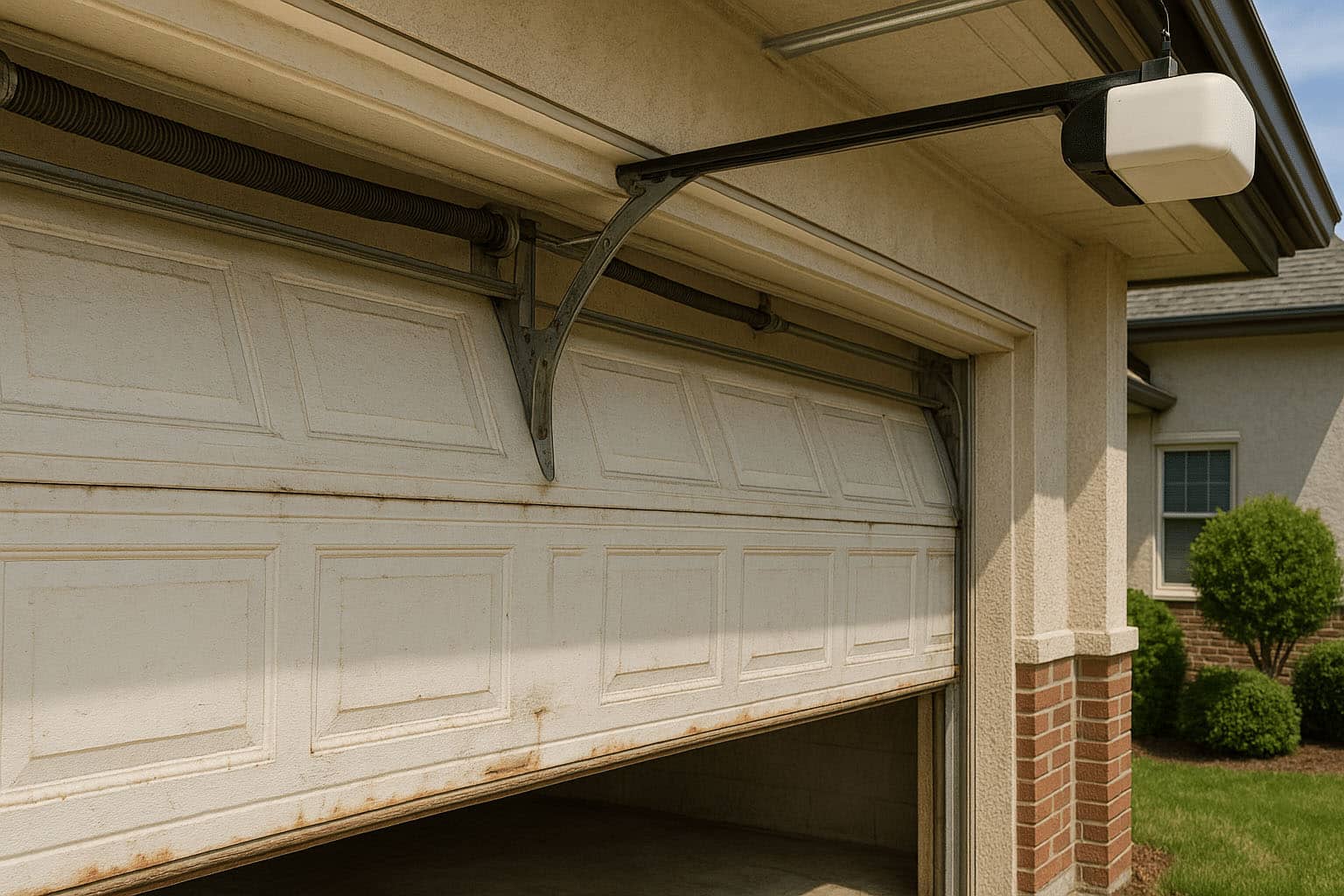
- Rust, especially on springs, hinges, or tracks
- Gaps between panels due to warping or loose sections
- Sagging door
5. Sudden Spike in Energy Bills
If your garage is attached to your home, poor insulation or air leaks make your HVAC system work harder to regulate indoor temperatures.
This usually happens because of:
- Cracked or missing weather seals that let air in and out freely
- Thin or damaged door panels
- Warped frames that leave small openings around their perimeter
6. Door Reverses Before Hitting the Floor
In this case, your garage door’s opener thinks there’s an obstacle in the way, so it reverses mid-course. While this is a safety feature, frequent false reversals are a sign of sensor or opener issues.
They can be a sign of:
- Obstructed safety sensors due to dirt, misalignment, or sunlight interference
- Misaligned sensors
- Incorrect force settings on the opener
7. Door Slams Shut or Drops Too Fast
Your garage door is meant to be counterbalanced by springs so it feels light and moves under controlled force. If it suddenly drops like a guillotine, the springs have either broken or lost tension entirely.
When this happens, the full weight of a garage door comes crashing down, which can bend panels, crack concrete, destroy the opener, or injure anyone underneath. This is an immediate repair job. Until it’s fixed, avoid using the door.
8. Remote/Keypad Malfunctions
If your garage door opener isn’t responding to your commands or the range has suddenly decreased, you might want to have it checked out. While sometimes it’s just batteries, constant issues with your door opener may also mean a faulty opener antenna or signal interference.
9. Frayed or Loose Cables
Lift cables run along the sides of your garage door and work in tandem with the springs to raise and lower the door safely. If you notice strands sticking out, rust, or slack, the cable is compromised.
A fully snapped cable can cause your garage door to drop unevenly or collapse suddenly, which is dangerous. Damaged cables also throw off the door balance and put strain on your opener and springs.
In this case, a professional needs to replace your cables, which requires winding and unwinding springs under extreme tension.
10. Burning Smell From the Opener
A hot, acrid smell when the opener is in use usually means electrical components are overheating. It could be a result of your motor overheating or a failing circuit board.
When this happens, you should stop using the opener immediately. Unplug it to prevent further damage or fire risk, and call a technician to figure out what’s wrong before attempting repairs.
At Quality Overhead Door, we help both commercial and residential clients with garage door maintenance. We have an A+ Better Business Bureau rating, meaning we have high ethical standards. If something needs professional maintenance, we will let you know. If it can be fixed DIY, we’ll let you know that too. Request a quote now.
What Maintenance Should Be Done on a Garage Door?
Your garage door works hard year-round. It needs consistent care to stay reliable, even if there are no danger signs that we discussed above.
Here’s a breakdown of regular maintenance tasks for your door:
1. Weather Stripping Replacement
Weather stripping runs along the bottom and sides of the door, sealing out drafts, rain, snow, and pests. Without it, you may run into moisture damage, higher energy bills, and critters like mice or insects in your garage.
Usually, checking this once a year is enough for most doors. But if your garage faces harsh sun, wind, or salty coastal air, you should check every six months. That’s because extreme conditions can dry out and crack the rubber faster.
Once your weather stripping needs a change, your maintenance technician will:
- Peel or pry away the old weather stripping
- Clean the surface underneath to remove dust and old adhesive
- Press new adhesive-backed strips into place, making sure the seal sits flush against the floor and door edges
If you live in a very hot or cold climate, with temperatures going up and down from day to night, you should invest in heavy-duty rubber or vinyl stripping. It costs a little more but will last a lot longer.
2. Opener Upgrade
Your garage door’s opener works around the clock to lift it up and down. If yours is an older model, it will guzzle electricity and lack safety features.
You should upgrade your opener if it:
- Doesn’t have auto-reverse sensors. Without these, your door won’t stop if it runs into your car, pets, or anything in its path.
- Creates too much noise. You could switch to a belt-drive or direct-drive unit if you have a chain-drive opener that screams every time you open your door.
- Does not have a battery backup. If power goes out, such as during a storm, you should still be able to open and close the door without using the emergency release.
3. Regular Cleaning and Debris Removal
Dirt, grit, and debris can grind down your door’s moving parts, clog the tracks, and throw it off balance. This means a little cleaning goes a long way toward keeping your garage door system running smoothly.
Here’s what you should do:
- Wipe your tracks with a damp cloth to remove dust and grit. Avoid heavy lubricants because grease will only trap more debris.
- If you see a buildup of grime on rollers and in hinges, clean them with a mild degreaser, then reapply a light coat of silicone-based lubricant.
- If your door’s surface is steel, wash it with mild soap and water to prevent rust. Wooden doors should be dusted and resealed as needed to guard against moisture damage.
These steps are easier said than done. We recommend you call in a professional serviceman from Quality Overhead Door for effective cleaning of your door. We’ve been in the business for years and know the most effective ways of garage door cleaning.
4. Lubrication
Just like your car needs oil changes, you need to lubricate your garage door to keep things moving without unnecessary friction. If you don’t do this, you’ll wear out your door’s parts way faster.
Here’s where you need to apply lubricant:
- Rollers. This will reduce track noise and allow for smooth movement.
- Hinges. This will reduce squeaks and help panels bend easily as the door moves.
- Springs. A thin coating will prevent rust.
- Lock mechanism. This will keep the lock turning freely without sticking.
You should use a silicone-based lubricant, not heavy grease, for lubrication. That’s because grease can gum up in cold weather, collect dirt, and actually make your door work harder.
5. Balance and Alignment Checks
If your door’s weight isn’t evenly distributed, your opener has to strain to lift it. This shortens the opener’s lifespan and increases the risk of part failures.
Here’s how to check if your garage door’s balance is out:
- Disconnect the opener.
- Manually lift the door halfway and let go:
- If the door stays in place, the springs are in good shape.
- If the door falls or shoots upward, your springs are out of balance.
Spring adjustments can be dangerous because of the amount of stored tension in the door. Once you’ve confirmed your door’s out of alignment, call a technician who understands the risks and how to get around them.
6. Panel and Seal Inspection
Your garage door protects your garage from weather, pests, and drafts. If its panels or seals are damaged, that will compromise both your security and garage insulation.
A panel and seal inspection will check for any damage and make sure your garage door works as intended. Here’s what your technician will check:
- Signs of rot, cracking, or warping in wooden doors. These have to be refinished every two to three years to keep moisture out.
- Paint chipping or scratching on steel/aluminum doors. These patches need to be touched up as soon as possible to stop rust from spreading.
- Cracked, brittle, or broken bottom seal. This keeps out water, rodents, and bugs, so it needs to be replaced fast.
7. Cable and Pulley Check
The cables and pulleys work with the springs to lift the full weight of your garage door, which can be between 100 and 400+ pounds. If a cable snaps, your door can come crashing down and injure anyone in the way.
This means you should:
- Inspect your cables annually for fraying, rust, or visible wear
- Look for loose strands. If you find any, you need to call a technician to replace the cable; this is not a DIY job
- Check pulleys for cracks, wobbling, or worn bearings
How Often Does Your Garage Door Need Maintenance?
How often your garage door needs maintenance depends on how much you use it, your climate, and the door’s age. Here’s a general schedule most people can follow:
- Monthly. You should do a quick safety and performance check. Listen for unusual noises, watch for jerky movement, and test the auto-reverse feature by placing a small object in the door’s path.
- Every 3-4 months. Your door might start squeaking during seasonal changes, so lubricate all hinges, rollers, and tracks. If any bolts or screws are loose, tighten them. You should also clean dirt from the tracks to stop buildup.
- Annually. Once a year, a professional inspection is a must. This should include a review of your door’s spring tension, opener motor health, track alignment, and balance. It can help you find hidden wear before it becomes a costly or dangerous problem.
If your garage door is older, used multiple times a day, or exposed to extreme Minnesota weather, we recommend more frequent professional maintenance.
Let Quality Overhead Door Help You Maintain Your Garage Door
A well-maintained garage door lasts longer, runs quieter, and keeps your home safe from rain, rodents, and insects.
Small issues caught early are quicker and far less expensive to fix than major breakdowns. Here’s how to maintain your garage door and your safety:
- Handle simple upkeep. This can include lubrication, wiping down tracks, and cleaning safety sensors.
- Keep track of problem signs. You should listen for unusual noises, check for slow, uneven movement, and visible wear.
- Reach out to Quality Overhead Door. If the problem keeps coming back or involves springs, cables, or your opener, call for professional help.
At Quality Overhead Door, our locally-owned team has been helping Rochester and Southeast Minnesota homeowners keep their garage doors running year-round.
We take care of preventative tune-ups, make emergency repairs 24/7, and catch small issues before they turn into expensive problems.
Want to keep your garage door working as it should? Give us a call today to schedule your professional maintenance!