
Key Takeaways
1. An unbalanced door wears out parts faster and creates safety risks. A balanced garage door should move smoothly, stay in place when stopped halfway, and put minimal strain on the opener.
2. You can test your garage door balance at home in under five minutes. If the door drifts down or shoots up when released at the halfway point, the balance is off.
3. Quality Overhead Door has been keeping garage doors balanced across Rochester, MN, and Southeast Minnesota since 1981. Their trained technicians can inspect, adjust, or repair your door system safely.
What Is Garage Door Balance?
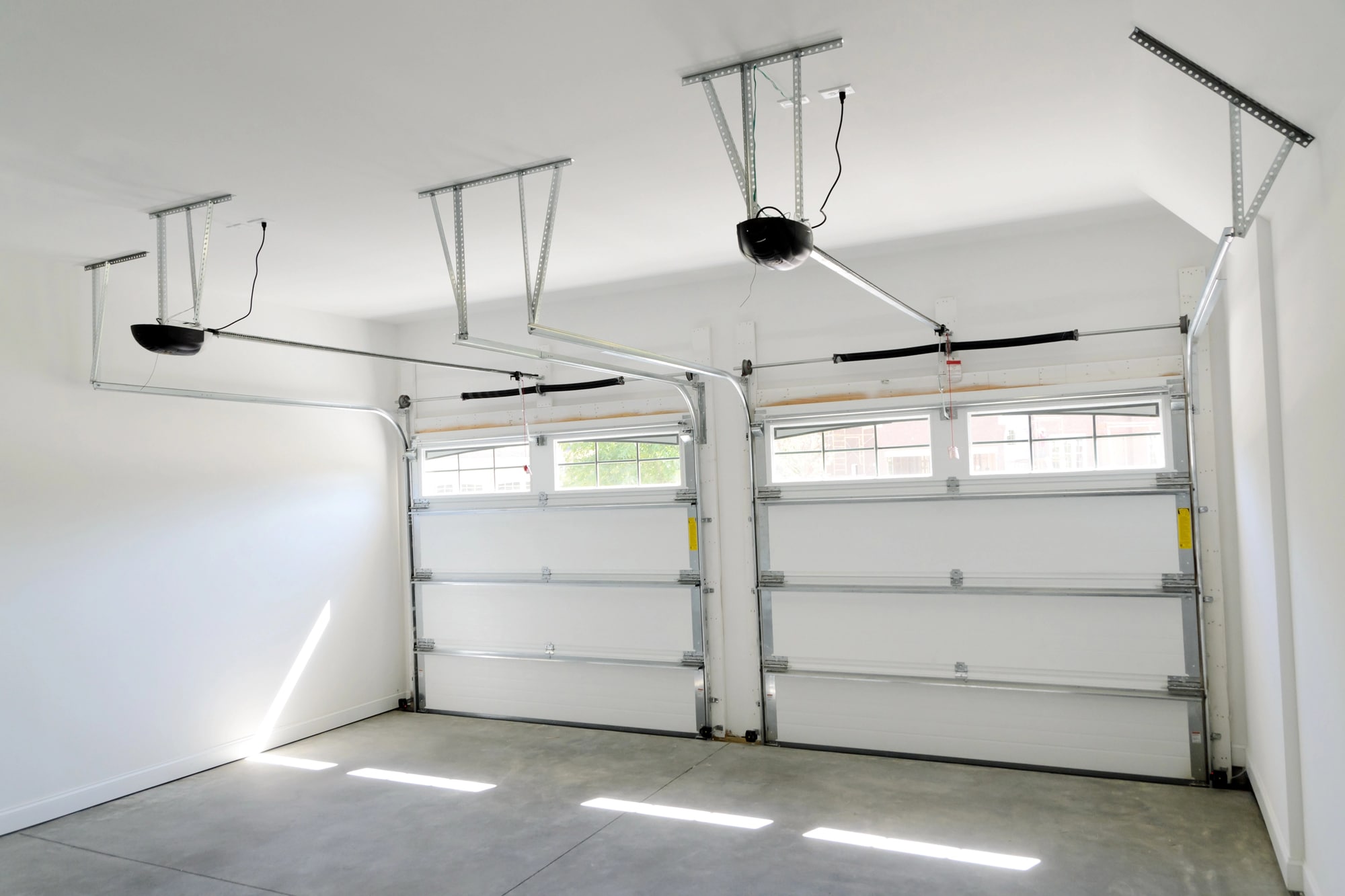
A balanced garage door is one where the spring tension matches the weight of the door. When the balance is right, the springs do the heavy lifting. The opener only guides the door along the tracks. You should be able to lift the door by hand with very little effort.
When the balance is off, the springs are either too tight or too loose. The opener has to compensate for that difference. This puts strain on the motor, the springs, the cables, and the tracks. Over time, it leads to premature wear, unexpected breakdowns, and safety hazards.
Most homeowners never think about garage door balance until something goes wrong. By then, the damage is already building.
The average residential garage door weighs between 130 and 250 pounds. It moves up and down multiple times a day. If the balance is even slightly off, that is hundreds of pounds of uneven force grinding on your system with every cycle. Over the course of a year, the wear adds up fast.
How to Do a Garage Door Balance Test
You do not need any tools. This test takes less than five minutes. It should be done at least once a season.
- Close the garage door completely. Never start this test with the door open. If a spring is broken, the door could crash down.
- Pull the red emergency release handle. This disconnects the door from the opener so you can move it by hand.
- Lift the door by hand to the halfway point. About waist height.
- Let go.
Here is what the results tell you:
| Result | What It Means | What to Do |
|---|---|---|
| Door stays in place | Balance is good. Springs are holding the weight correctly. | No action needed. Reattach the opener. |
| Door drifts down slowly | Springs have lost tension. They are not carrying enough of the door’s weight. | Call a technician for spring adjustment or replacement. |
| Door shoots upward | Springs are over-tensioned. They are pushing the door up with too much force. | Call a technician. Do not attempt to adjust springs yourself. |
| Door slams to the ground | Spring is likely broken or severely weakened. Serious safety hazard. | Stop using the door. Call for emergency repair immediately. |
| Door feels extremely heavy to lift | Springs may be broken or disconnected. The full weight of the door is unsupported. | Do not force the door. Call a professional. |
A slight drift of a foot or so is acceptable. Anything more than that means the balance needs attention.
What Happens When Garage Door Balance Is Off?
An unbalanced garage door does not just feel wrong. It causes real damage to the system.
Opener Burnout
Your garage door opener is designed to guide a balanced door. Not to lift a heavy one. When the springs are not carrying their share of the weight, the motor has to work overtime. This shortens the life of the opener and can burn out the gears entirely.
Many homeowners replace an opener only to find that the real problem was the balance all along. A new opener on an unbalanced door will fail just as fast as the old one. Fixing the balance first protects the investment.
Uneven Wear on Parts
When one spring is weaker than the other, the door moves unevenly. This puts stress on the tracks, rollers, hinges, and cables on one side more than the other. Over time, this leads to bent tracks, worn rollers, and frayed cables.
Safety Risks
A door that slams shut or will not stay open is a crush hazard. A standard residential garage door weighs enough to cause serious injury or death if it falls without resistance. This is especially dangerous for children and pets who may be near the door when it moves.
An unbalanced door can also interfere with the safety sensors. If the door is pulling to one side, the sensors may fall out of alignment. When that happens, the auto-reverse feature may not trigger when it should. This creates a double failure: a heavy door falling fast with no safety system to stop it.
Energy Loss
An unbalanced door may not seal evenly against the floor or frame. That leaves gaps where air, dust, moisture, and pests can get in. During harsh winters, those gaps drive up heating costs and make the garage uncomfortable to work in.
What Causes a Garage Door to Lose Balance?
Balance does not stay perfect forever. Several factors cause it to shift over time.
Spring Fatigue
Garage door springs are rated by cycles. One cycle is one full open and close. A standard torsion spring lasts about 10,000 to 20,000 cycles. After years of daily use, the metal fatigues and the spring loses tension. This is the most common cause of balance problems.
Temperature Changes
Metal expands in heat and contracts in cold. In Southeast Minnesota, winter lows can drop well below zero while summer highs reach the 90s. That range puts constant stress on the springs. A door that feels balanced in July may drift by December.
This is why seasonal testing matters. Checking balance once in spring and once in fall catches these shifts before they cause bigger problems.
Worn Cables or Rollers
Cables and rollers work alongside the springs to keep the door moving evenly. If a cable frays or a roller seizes, the door can pull to one side. This throws off the balance even if the springs are fine.
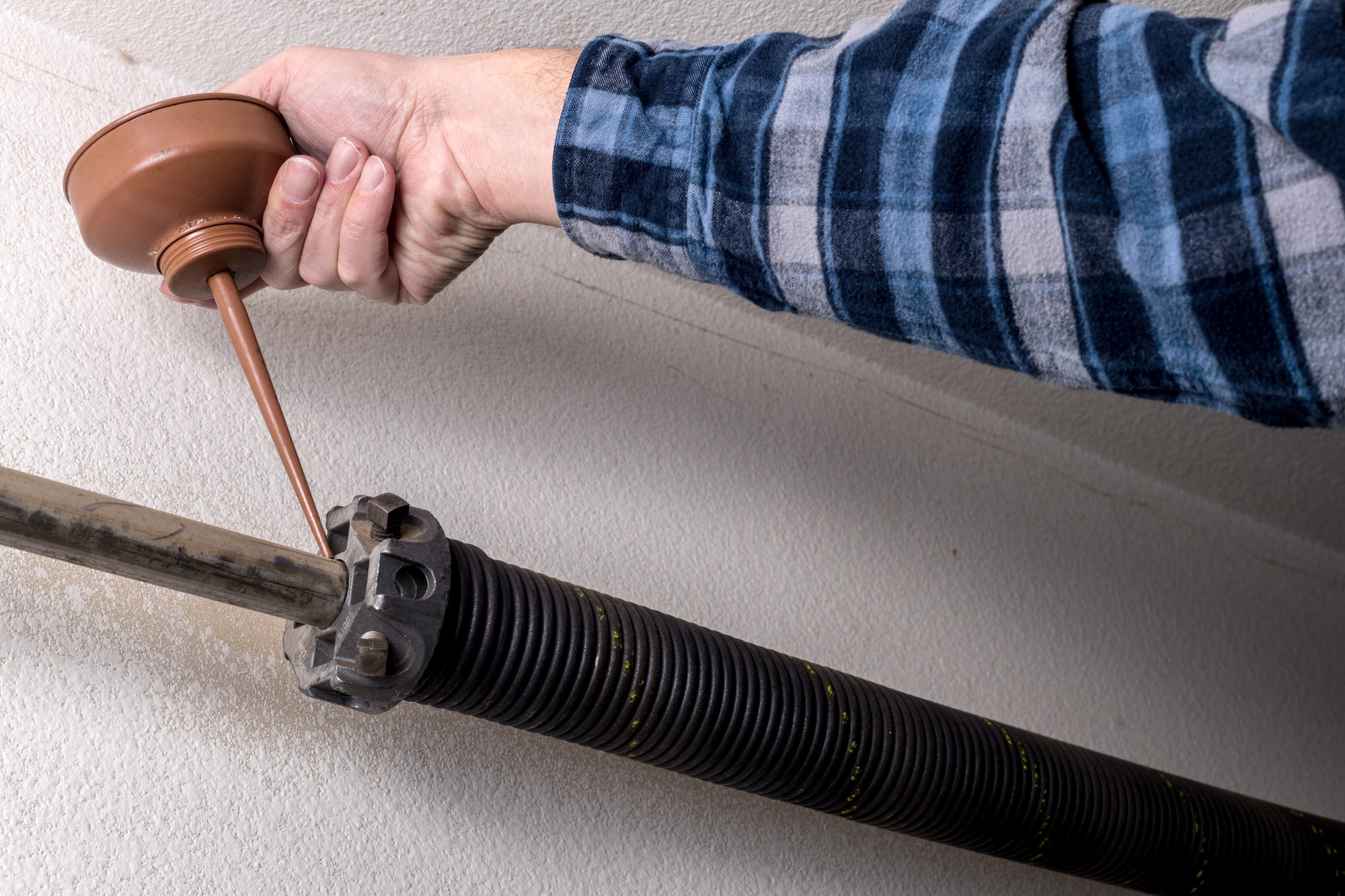
Look for visible fraying on the cables or rollers that do not spin freely. If you hear scraping or grinding from one side of the door, a worn roller is likely the cause. Lubricating the rollers and hinges every few months with a silicone-based lubricant helps prevent this.
Incorrect Spring Size
If the springs were not matched to the weight of the door, the balance will be off from the start. This happens when a heavier insulated door replaces a lighter non-insulated one but the springs are not upgraded. Quality Overhead Door can match the right springs to your exact door weight and size.
Why You Should Not Adjust Garage Door Balance Yourself
Testing the balance is safe for any homeowner. Fixing the balance is not.
Garage door springs are under extreme tension. A torsion spring stores enough energy to lift a door weighing 200 pounds or more. If a spring slips, snaps, or unwinds during adjustment, it can cause broken bones, deep lacerations, or worse.
Spring adjustment requires specialized winding bars, precise measurements, and training. Using the wrong tools or making the wrong number of turns can over-tension or under-tension the spring. Both create new problems. Using a screwdriver or rebar instead of proper winding bars is one of the most common and dangerous mistakes homeowners make. These tools are not rated for the torque involved and can slip without warning.
Professional technicians also replace springs in pairs. Even if only one spring has failed, the other one is close behind. Replacing both at the same time keeps the system balanced and avoids a repeat service call weeks later.
The safest approach is to test the balance yourself. Then call a professional for any adjustments. Quality Overhead Door’s technicians handle spring work every day. They have the tools, the training, and the experience to get the balance right the first time.
What You Should Do Next
Your garage door opens and closes hundreds of times a year. If the balance is off, every cycle is adding strain to the system and shortening its lifespan.
- Run the balance test. Close the door, pull the emergency release, lift to halfway, and let go. If it drifts or drops, the balance needs attention.
- Check for visible signs of wear. Look at the springs for rust, gaps, or stretching. Look at the cables for fraying. Listen for unusual noise during operation.
- Contact Quality Overhead Door for a professional inspection. Their team serves Rochester, MN, and the surrounding Southeast Minnesota region. Whether you need a spring adjustment, a full replacement, or a routine checkup, they can handle it.
Quality Overhead Door has been serving the Rochester area since 1981. Every job comes with transparent pricing, trained technicians, and 24/7 emergency availability. Call 507-281-2772 or visit the showroom at 128 35th St SE Rochester, MN 55904