

Key Takeaways
1. For old houses, the best replacement garage door is the one that fits your existing opening and echoes the home’s character-defining details.
2. Most homeowners get the best balance with insulated steel or composite doors, then adjust the style to match the era.
3. Quality Overhead Door can help you choose the right door type, confirm measurements and clearances, and install it correctly.
8 Types of Replacement Garage Doors You Should Use for Old Houses
For most old houses, the best replacement door is one that respects what makes the home recognizable and fits the opening you already have, without forcing structural changes.
Preservation guidance is clear on the underlying idea: a building’s “character” comes from visible features such as materials, craftsmanship, and detailing. That is why a garage door’s proportions, panel profile, and window pattern can matter as much as the material you choose.
Once you look at it that way, most homeowners land in one of these sensible directions:
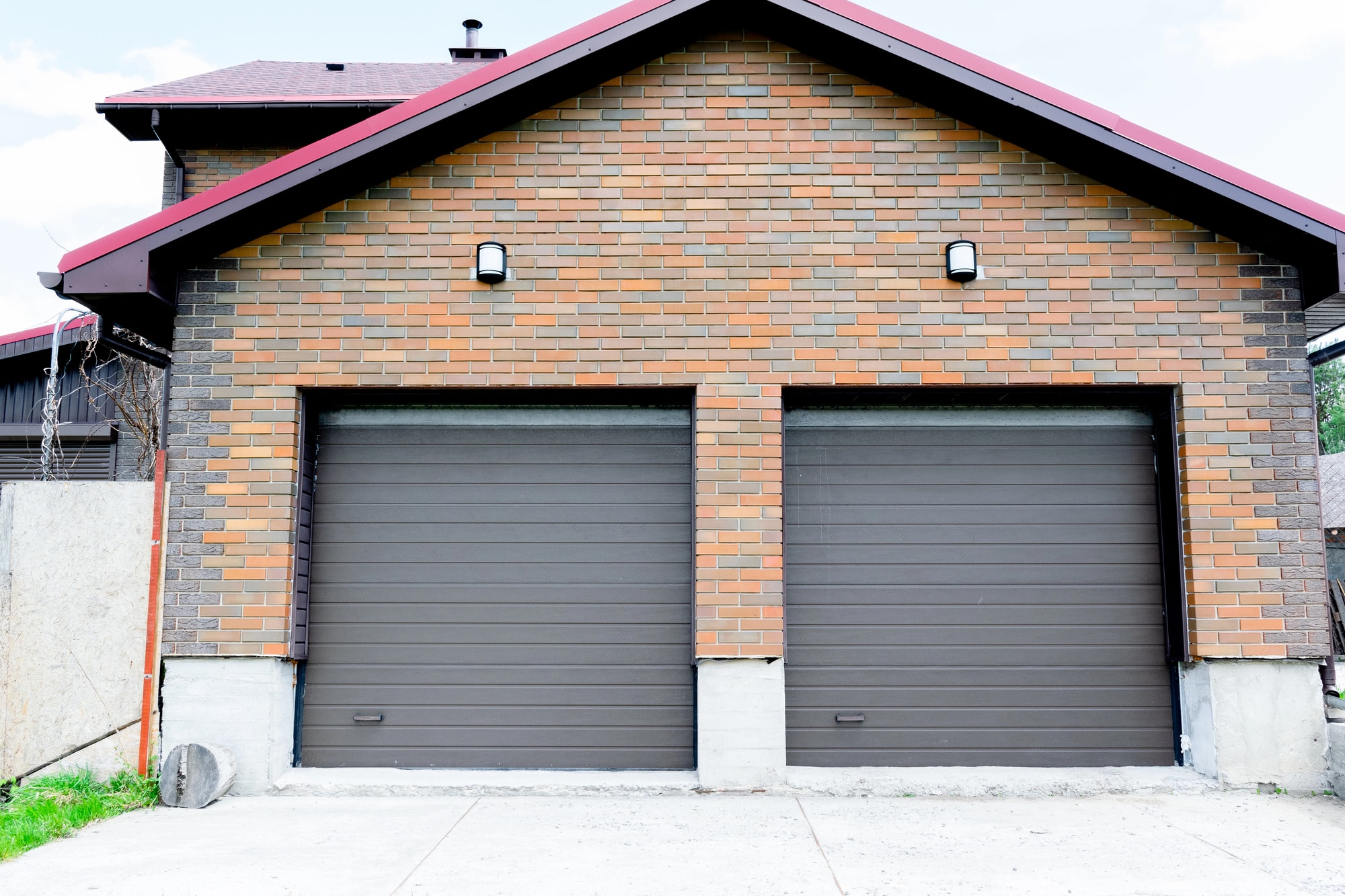
1. Insulated Steel Sectional Doors
This is the workhorse choice, and it is common for a reason. Insulated steel doors can be ordered in traditional panel styles and with window layouts that still feel appropriate on older homes.
The insulation becomes especially relevant when the garage shares a wall or ceiling with living space, because reducing heat transfer is part comfort and part practicality. Homeowners tend to pick this option when they want a door that looks clean, holds up well, and does not demand constant attention.
Steel is also widely described as lower maintenance than wood, which is why it often becomes the default recommendation when curb appeal matters, but time does, too.
Best fit:
- Attached garages or garages with living space above/next to them, where comfort and drafts matter
- Older homes where you want a traditional look with minimal maintenance and dependable daily use
2. Carriage House Style (The “Historic Look,” Without Swing-Out Doors)
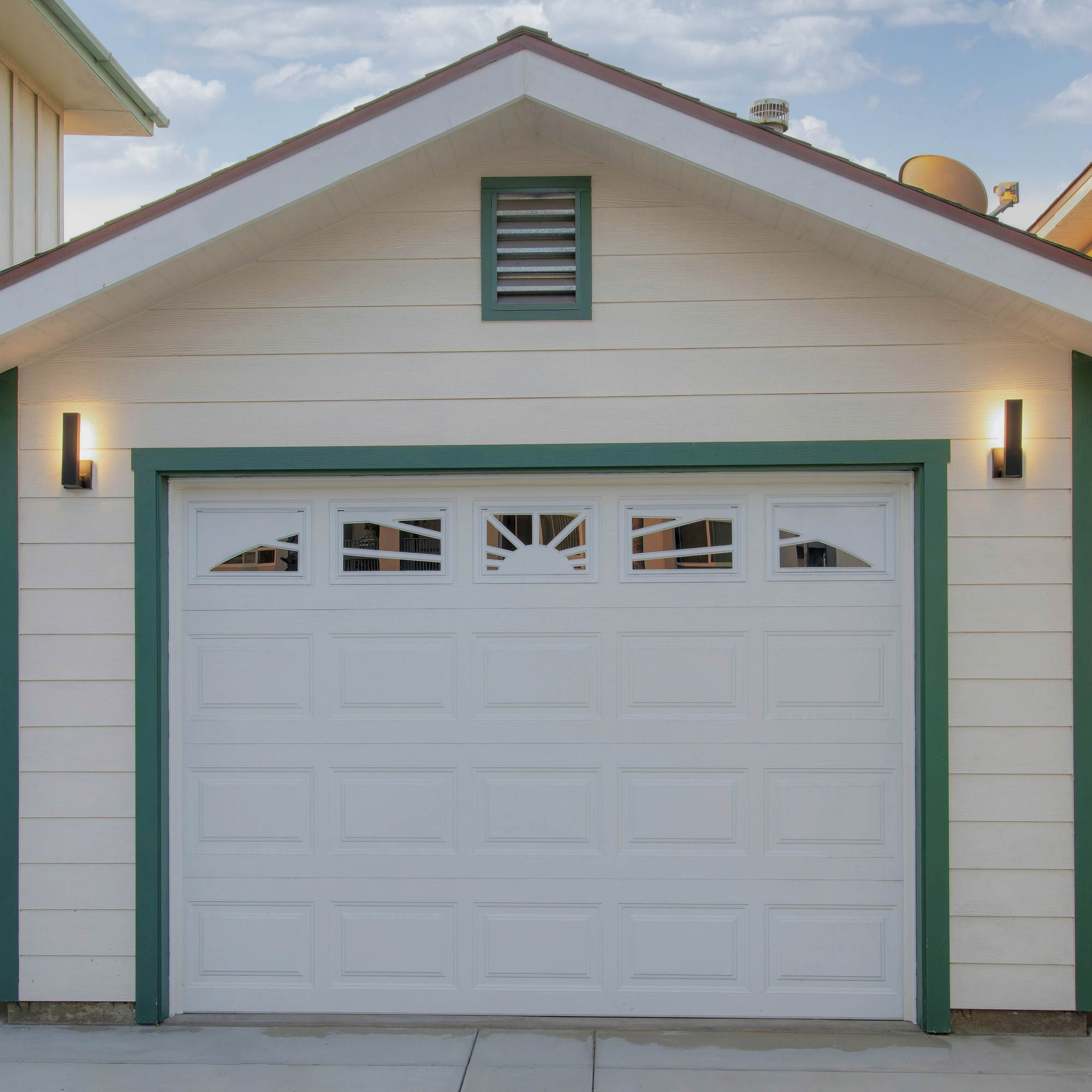
Carriage house doors are usually sectional overhead doors designed to resemble older swing-out carriage doors. On many older facades, that visual language fits naturally, especially when the home has trim depth, gables, or a traditional window rhythm you want to echo.
This is where the preservation angle becomes useful. Guidance from the National Park Service emphasizes identifying the features that define a building’s character before making changes.
Best fit:
- Older facades with strong trim, gables, or classic window rhythm, where a heritage look feels natural.
- Homeowners who want “historic character” from the street but still want a modern overhead door that saves driveway space.
- Properties where curb appeal is a priority, and the garage door is a major visual element.
3. Custom Wood Doors
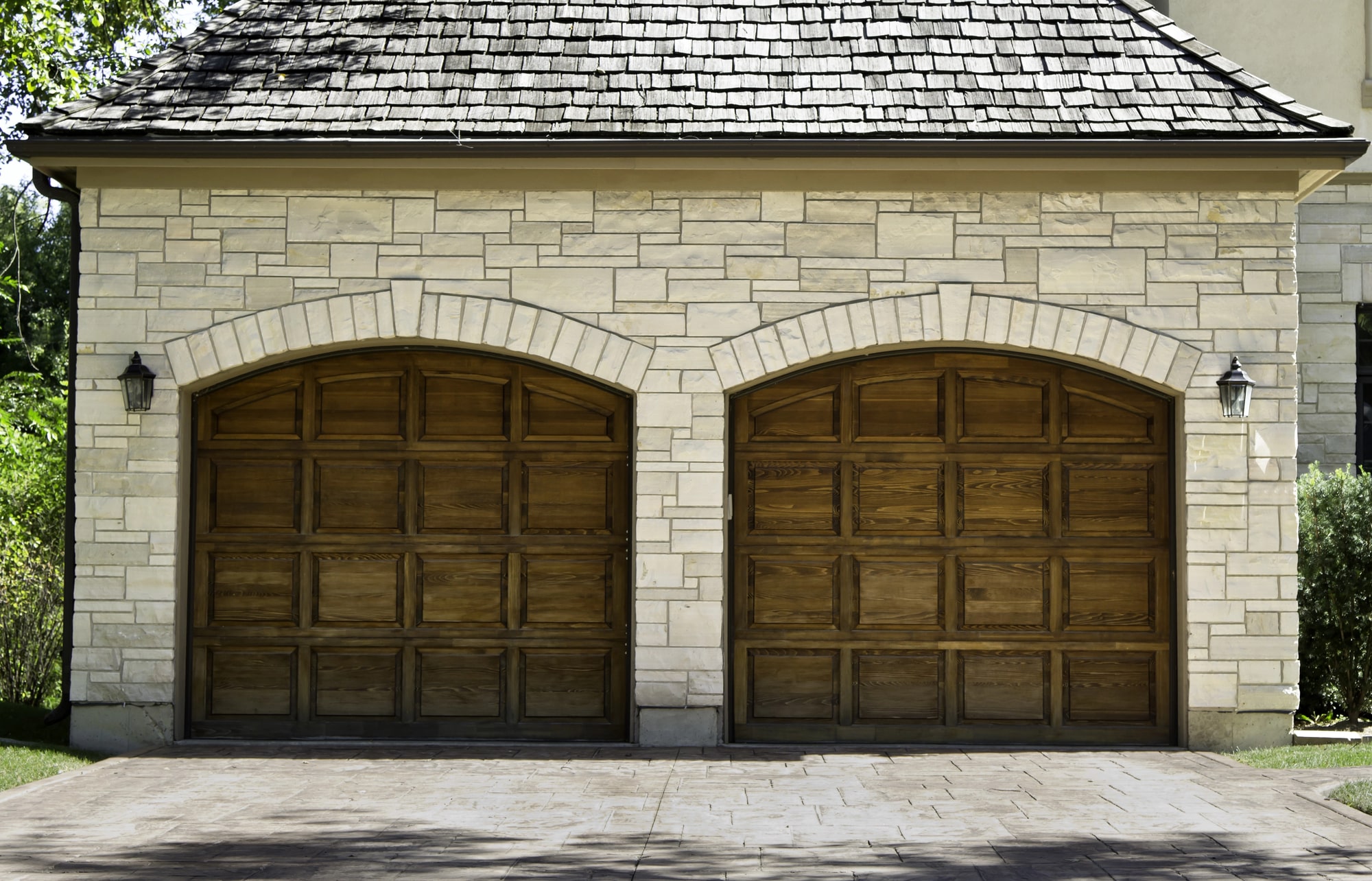
If you have an older home where the garage door is a significant part of the street-facing facade, wood remains the material that offers the most flexibility for authentic detailing. It can be milled for deeper panels, custom trim relationships, and window patterns that match the home’s era rather than looking “close enough.”
The trade-off is honest and predictable: wood generally asks for ongoing care. Many consumer and industry sources describe wood doors as higher-maintenance than steel, particularly because finishes require upkeep, and moisture can be an ongoing factor depending on exposure.
Best fit:
- Historic or architecturally distinctive homes where authenticity and detail accuracy matter most
- Homes where the garage door is front-facing and visually dominant, so the door needs to match period cues closely
- Owners who are comfortable with routine finish upkeep and long-term maintenance planning
4. Composite or Faux Wood Doors
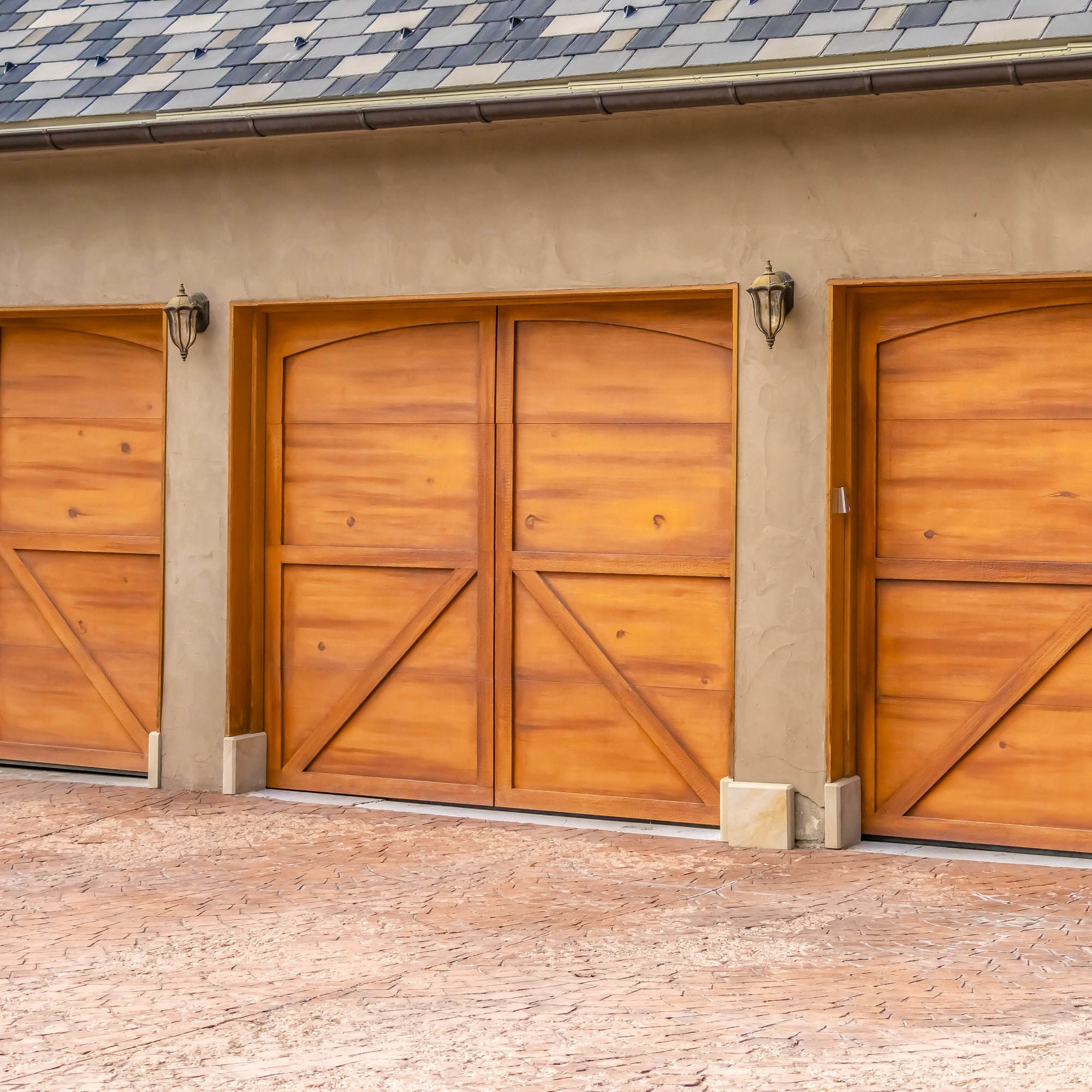
Composite doors often appeal to homeowners who want warmth and texture but prefer not to manage the repainting and refinishing cycle that can come with wood. Manufacturers commonly position composite materials as more resistant to issues such as rot, cracking, and warping than natural wood.
This can be a practical fit for older homes because you can often achieve a carriage-style look and deeper visual texture while keeping maintenance expectations more manageable.
Best fit:
- Older homes that need warmth and texture, but owners want less maintenance than natural wood
- Carriage-style designs, where you wish deeper visual detail without the same refinishing cycle
- Homes in climates where moisture exposure makes wood upkeep harder to manage
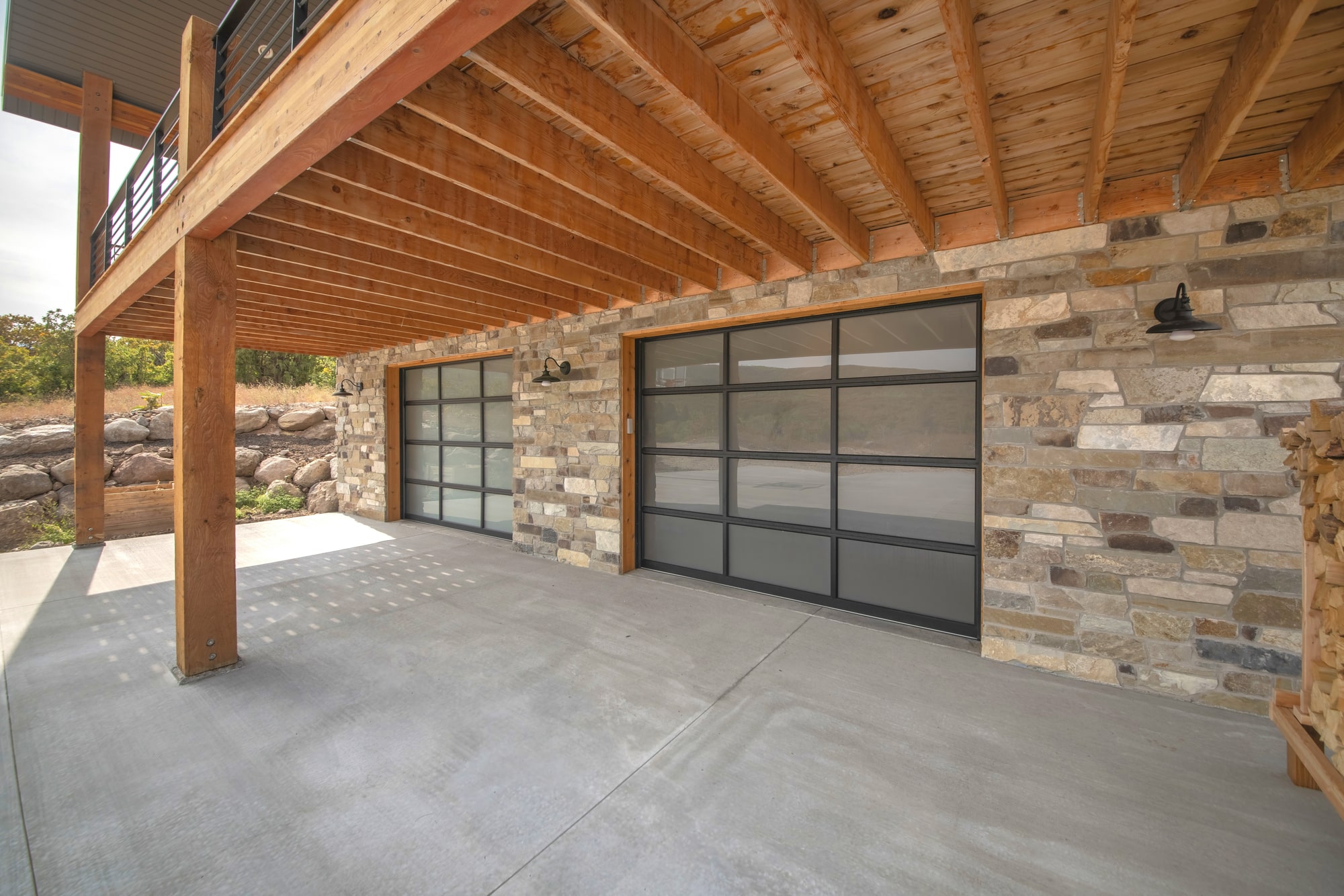
5. Full-View Aluminum and Glass
Full-view doors can look excellent on certain renovated mid-century homes or properties where the garage is used as a workshop or studio, and natural light is part of the plan. But for many traditional older houses, this style can feel visually disconnected unless the rest of the facade already supports a clean-lined, glass-forward look.
When it does work, it tends to work because the architecture already has those cues, not because the door itself is “high end.”
Best fit:
- Renovated mid-century homes or modernized older homes, where clean lines and glazing already appear on the exterior
- Garages used as studios, workshops, or hobby spaces where natural light is part of the function
6. Casement Garage Doors
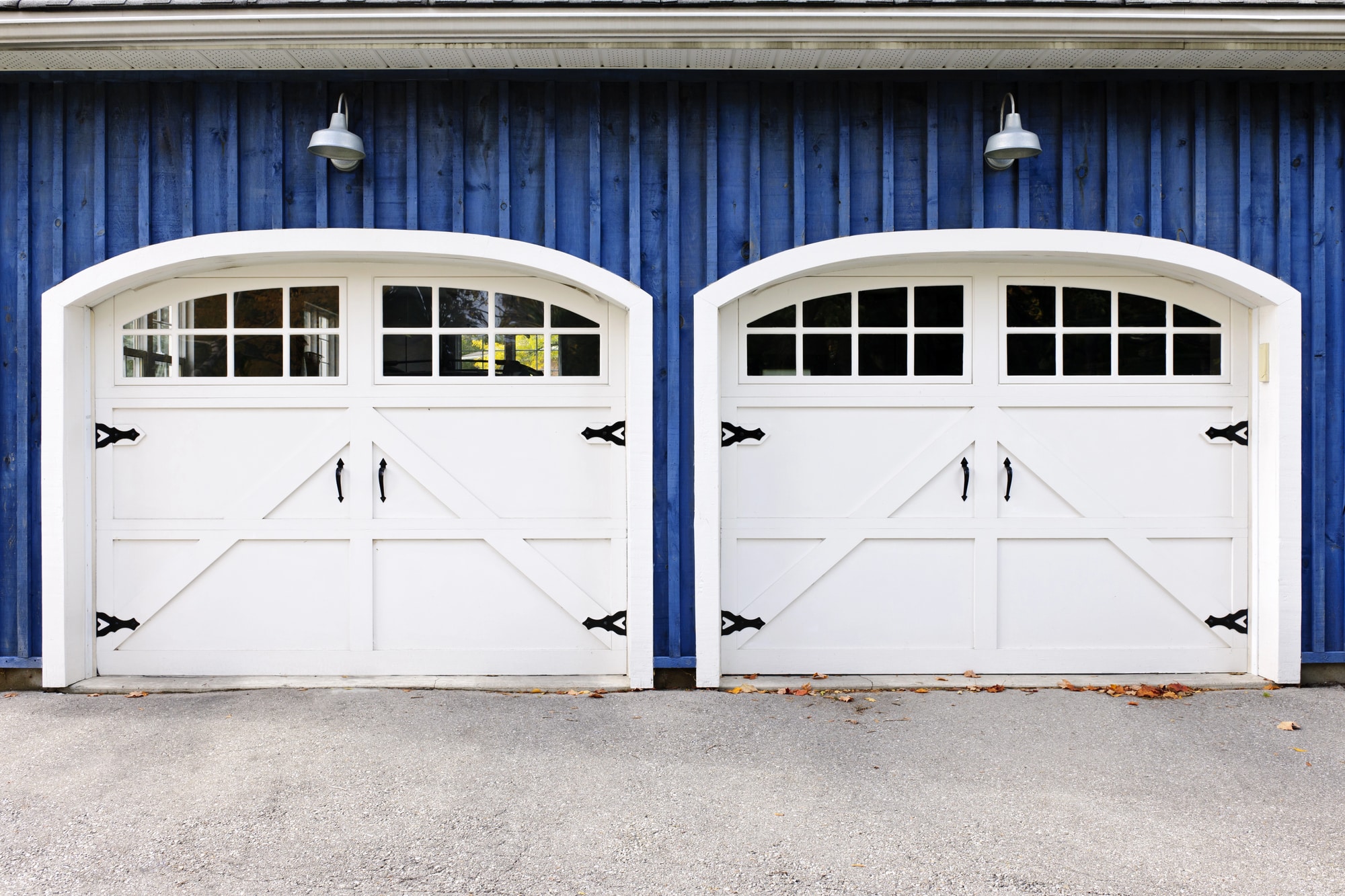
Casement garage doors are the swing-out style many people associate with older carriage houses. Instead of traveling on overhead tracks, the door opens outward on side hinges, often as two leaves that meet in the middle.
That design can make a garage look intentionally “period-correct,” especially on older homes where the garage door is obvious from the street.
In today’s market, casement doors are often positioned as a premium choice because they are frequently built from wood or designed to mimic wood detailing. Wood can deliver the most authentic panel depth and trim work, but it also tends to raise cost and long-term upkeep. Steel versions can reduce maintenance while still keeping the traditional look, depending on the construction and finish.
Casement doors can also be motorized with the proper hardware, though the automation differs from a standard overhead opener. The most important practical trade-off is space: because the doors swing outward, you need a clear area in front of the garage.
Best fit
- Older homes where preserving traditional curb appeal is a priority
- Garages with enough driveway clearance for outward swing
- Owners who want a decorative focal point
7. Sectional Garage Doors
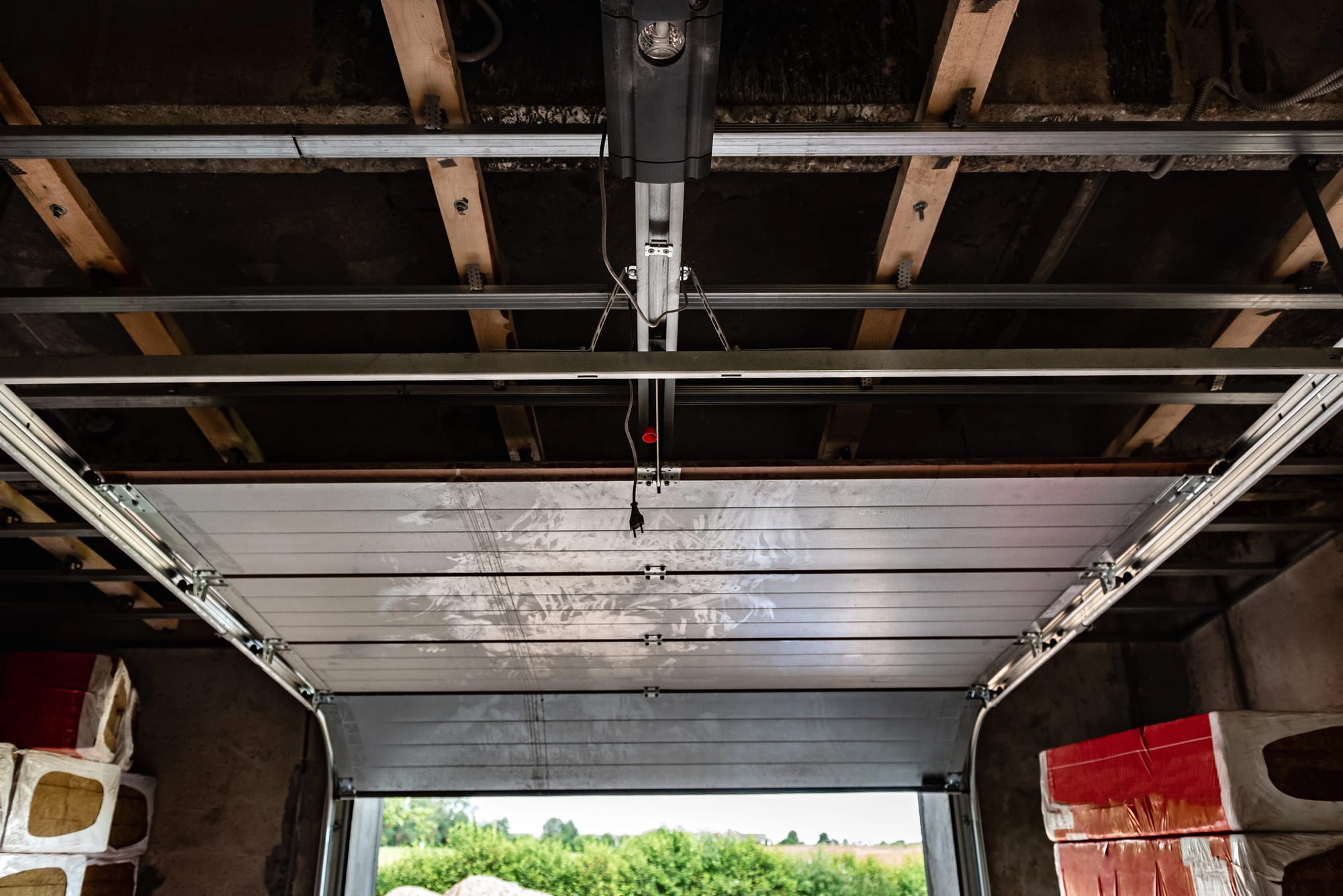
Sectional garage doors are the most common modern replacement option because they work in a wide range of openings and do not require driveway clearance. The door is made of horizontal panels that roll upward on tracks, then sit overhead when open.
This is why sectional doors are used across both residential garages and many commercial buildings. For older homes, the appeal is the flexibility it offers. Sectional doors come in many panel styles and window layouts.
Best fit
- Most old-house garages, especially when the driveway is short
- Homeowners who want many design options at a predictable cost
- Attached garages where insulation is a priority
8. Compact Garage Doors
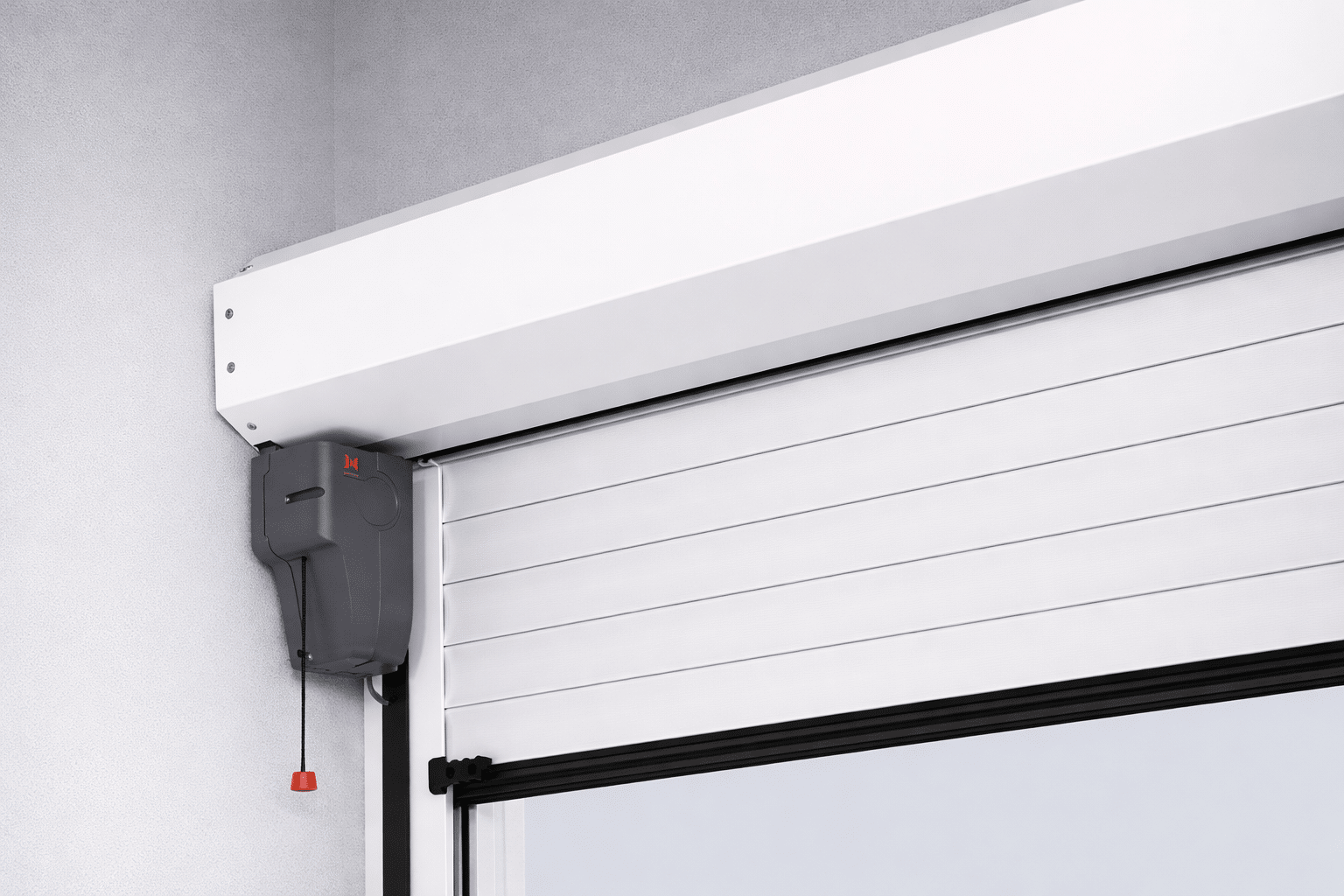
Compact garage doors are often described as a specialty variant of sectional doors. The key difference is how the panels store when open. Instead of traveling along ceiling-mounted tracks, the sections fold upward and stack above the opening.
That design keeps the ceiling clearer for lighting, storage, or mechanical equipment, which can be valuable in workshops, higher-end garages, or specific commercial spaces.
Because the door packages itself above the opening, compact systems are often considered for taller or more demanding openings that require overhead space for other uses.
They can also be configured with windows, and some designs offer an integrated pedestrian access door, which can be helpful when people enter frequently without needing to open the full door.
Best fit
- Garages where ceiling space is valuable for storage, racks, or lighting
- Taller openings and premium residential garages
- Commercial premises that prioritize working height and a clean interior finish
Critical Considerations for Old Garages That Need Renovations
Older garages were built for smaller cars, different door mechanisms, and construction standards that have changed significantly. Before choosing a replacement door, you need to understand what your existing structure can – and can’t – accommodate.
- Non-standard opening sizes. Many old garages have 7-foot or 7.5-foot widths and 6-foot or 6.5-foot heights instead of today’s standards. Custom sizing adds cost and lead time, so measure your opening carefully before assuming any door will fit.
- Headroom and side room clearance. Sectional doors need space above and beside the opening for tracks and hardware. Low ceilings, exposed joists, or walls built too close to the frame may require low-headroom hardware or minor structural modifications.
- Settling and out-of-square frames. Old structures settle. A frame that was square 60 years ago may not be today, causing uneven gaps, binding, and premature wear. The frame may need shimming or reinforcement before a new door goes in.
- Load-bearing capacity. Modern insulated doors can weigh twice as much as the single-layer wood doors old garages were built for. Headers, jambs, and wall framing may need reinforcement to handle the added weight.
- Electrical and opener compatibility. Many old garages lack adequate electrical service for modern openers. Outdated wiring or missing outlets may need attention before installation.
- Weatherproofing and drainage. Old floors often slope toward the door or lack proper drainage. A new installation is the right time to address bottom seals, thresholds, and any water pooling at the opening.
- Permits and historic district rules. Some municipalities require permits for garage door replacement, especially with structural changes. Historic districts may require design approval before any exterior work.
Get Replacement Doors for Old Houses Installed Right by Quality Overhead Door
A replacement garage door for an old house works best when it respects the home’s era and solves the practical realities your garage lives with every day. The right choice usually comes down to three checks:
- Does the door match the house’s character-defining details?
- Does it fit the existing opening without forced structural changes
- Will it perform reliably in your climate and daily routine?
Here’s what you should be doing next:
- Document what you want to preserve and measure the opening. Take photos of the facade, trim, and windows, then record the opening width, height, headroom, and side room.
- Shortlist two door types and one window pattern that match your home’s era. Use your home’s lines and details as the filter, then compare materials based on maintenance, insulation needs, and budget.
- Schedule a site visit with Quality Overhead Door to confirm fit. Our team can help you choose a residential garage door that matches your home’s style and install it with the right hardware and opener setup.
Contact Quality Overhead Door to schedule an on-site assessment and get an all-inclusive quote.